Automated access check post.
Categoría: Uncategorized
-
Online Gambling Enterprises That Pay Genuine Cash PayPal: An Overview to Winning Big
Are you on the quest for on the internet casino sites that pay real cash money with PayPal? Look no more! In this extensive overview, we online casino wie bet365 casino will certainly stroll you via the ins and outs of playing at online gambling establishments and winning real cash, all while using the (más…)
-
Cazimbo Online: Caratteristiche, Giochi e Funzionalità per il Casino Cazimbo
Introduzione a Cazimbo Online: Cos’è e Perché Sceglierlo
Il sito https://cazimbo-casino-online.it/ di Cazimbo offre un ambiente user-friendly e molteplici giochi di casinò online.
Cazimbo offre strumenti per il controllo dei limiti di gioco, contribuendo chi utilizza la piattaforma a divertirsi in sicurezza.
Il supporto clienti offre assistenza veloce, caratteristica importante per chi vuole utilizzare il casino senza problemi.
In questa guida approfondiremo come funziona Cazimbo Online, quali giochi propone, e quali sono i suoi punti di forza.
Cazimbo Online: La Meccanica del Casinò Digitale
Per registrarti basta inserire pochi dati e verificare il proprio account.
La navigazione nel catalogo giochi è fluida, con filtri e suddivisioni per tipologia e popolarità.
Cazimbo utilizza una tecnologia avanzata che assicura una performance ottimale su qualsiasi dispositivo, sia desktop che mobile.
Depositare o prelevare fondi su Cazimbo è semplice e rapido grazie a numerose opzioni di pagamento affidabili.
Inoltre, Cazimbo predisponde frequenti controlli per garantire la correttezza dei giochi e la trasparenza delle operazioni.
Quali Giochi si Possono Trovare su Cazimbo?
La selezione giochi di Cazimbo è una caratteristica distintiva per ogni appassionato.
Ci sono slot con temi diversificati che spaziano dalle avventure mitologiche ai film famosi.
Questi giochi sono disponibili sia in versione software che nel live casino, con croupier reali.
Trasmissioni in tempo reale permettono di interagire con croupier professionisti ed altri giocatori.
Completano l’offerta giochi speciali come gratta e vinci, lotterie e video poker, arricchendo ulteriormente la piattaforma.
Bonus e Promozioni su Cazimbo Online
Le offerte di benvenuto sono pensate per dare un’ottima spinta iniziale alle tue sessioni di gioco.
Queste iniziative mantengono alto l’interesse e premiano la fedeltà dei giocatori.
Requisiti di scommessa chiari e trasparenti aiutano a evitare fraintendimenti.
Gli utenti possono iscriversi alle newsletter e seguire i canali social per non perdere nessuna promozione.
Il mix di promozioni e giochi di qualità contribuisce a creare un ambiente di gioco entusiasmante e sicuro.
Sicurezza, Assistenza e Supporto su Cazimbo Online
La privacy degli utenti è tutelata rigorosamente secondo le normative europee e italiane.
Questi accorgimenti garantiscono una piattaforma pulita e priva di truffe.
Il personale è formato per rispondere a ogni tipo di richiesta, dalla registrazione ai pagamenti.
La piattaforma offre anche contatti e risorse per chi necessita di supporto sul tema del gioco patologico.
Questo approccio intelligente conquista la fiducia di moltissimi giocatori italiani.
Conclusione: Perché Scegliere Cazimbo Online?
Con un’offerta di giochi ampia, promozioni accattivanti e massima sicurezza, rappresenta una scelta ideale.
Le opportunità di vincita, unite a un ambiente trasparente, aumentano l’attrattiva del casinò.
Scegliere Cazimbo significa entrare in un ecosistema di gioco in continua evoluzione e sempre stimolante.
Riepilogando, Cazimbo è il casinò online che unisce sicurezza, divertimento e opportunità reali.
Benvenuto nel futuro del gioco online con Cazimbo: la tua prossima destinazione per il casinò digitale di qualità.
-
Casino non AAMS: Guida Completa ai Migliori Casinò Online Non AAMS
Introduzione ai Casinò Non AAMS
I casino non autorizzati da AAMS sono siti per il gioco d’azzardo su internet che operano senza la licenza dell’Agenzia delle Dogane e dei Monopoli, ex https://liberalpd.it/ AAMS. Il loro funzionamento si basa principalmente su regolamenti esteri, che possono variare notevolmente rispetto a quelli imposti in Italia.
Nei casino online non AAMS è possibile giocare a un’ampia varietà di giochi, inclusi slot, giochi da tavolo e poker online, spesso con bonus e promozioni diverse rispetto ai siti autorizzati.
prima di registrarsi, è consigliabile informarsi adeguatamente sulle licenze, sulla sicurezza e sulle modalità di gioco offerte.
Perché Scegliere un Casino Online Non AAMS
Il livello promozionale è spesso un punto di forza, con campagne regolari di welcome bonus, bonus senza deposito e programmi fedeltà estesi.
è possibile accedere a giochi innovativi, nuove tipologie di slot e sistemi di scommessa meno convenzionali.
i sistemi di pagamento accettano spesso criptovalute, portafogli elettronici e carte internazionali, facilitando transazioni rapide e sicure.
I casino non AAMS consentono la partecipazione di utenti da molti paesi, permettendo quindi di usufruire di piattaforme ricche di giocatori e sfide internazionali.
Rischi e Considerazioni Importanti nei Casino Non AAMS
Nonostante i vantaggi, considerare con attenzione le problematiche che possono derivare dalla mancanza della licenza ADM. La mancanza di regolamentazione italiana può comportare una minore protezione del giocatore. I casinò senza licenza italiana possono non garantire gli stessi livelli di sicurezza e trasparenza.
i problemi legali, le frodi e le difficoltà nel verificare l’affidabilità del sito rappresentano sfide significative.
esaminare criticamente le opinioni online e accertarsi che il casinò adotti protocolli avanzati di sicurezza e protezione dati.
I giocatori devono inoltre essere consapevoli delle normative fiscali italiane, che richiedono la dichiarazione delle vincite ottenute da casinò non AAMS
Guida alla Selezione di Casinò Non AAMS Sicuri
- Controllare la licenza: assicurarsi che il casinò possieda una licenza valida rilasciata da un’autorità estera riconosciuta come Malta, Curacao o Gibilterra
- Leggere le recensioni e opinioni: scegliere piattaforme con valutazioni positive e una buona reputazione consolidata nel tempo
- Testare il servizio clienti: preferire casinò con assistenza disponibile, efficiente e multilingue
- Controllare metodi di deposito e prelievo: optare per piattaforme con pagamenti veloci e metodi sicuri, inclusi portafogli elettronici o criptovalute
- Studiare le clausole contrattuali: approfondire sempre i termini legati a bonus, prelievi e limiti di gioco
Seguendo queste indicazioni, il giocatore può ridurre notevolmente i rischi e godere di un’esperienza di gioco più sicura e divertente.
Come Funzionano i Bonus nei Casino Non AAMS
Questi portali puntano molto su sconti, promozioni e programmi fedeltà esclusivi.
Ad esempio, gli incentivi iniziali sono spesso superiori e con condizioni di scommessa più accessibili
Tuttavia, è opportuno leggere con attenzione termini e condizioni relativi a questi bonus, poiché possono includere requisiti di puntata elevati o limitazioni
Prospettive Future dei Casino Non AAMS in Italia
Il mercato dei casino non AAMS continua a crescere in Italia, grazie all’attrattiva di offerte e flessibilità. L’interesse verso questi portali è in aumento per via delle condizioni più vantaggiose e l’accesso a software innovativi
Lo scenario normativo potrebbe cambiare, con possibili accordi internazionali o nuove regolamentazioni dedicate.
Ogni appassionato dovrebbe monitorare il mercato e affidarsi solo a siti con comprovata affidabilità per un’esperienza di gioco sicura.
Considerazioni Finali sui Casinò Non AAMS
offrono scenari di gioco innovativi ma con aspetti di rischio da non sottovalutare.
avere sempre una buona informazione prima di iscriversi e giocare, per gestire al meglio il proprio divertimento e sicurezza.
è importante comprendere bene il contesto e adottare comportamenti sempre consapevoli nel mondo del gioco online.
-
Proč zvolit casino bez bankovního účtu: Kompletní průvodce
Co je to casino bez bankovního účtu?
Takové casino funguje na principu alternativních casino bez bankovního účtu způsobů vkladu a výběrů, které nezahrnují bankovní převody.
Tento styl casina je stále populárnější díky vyšší bezpečnosti a jednoduchosti.
Zároveň je to perfektní řešení pro uživatele bez bankovního účtu, případně ty, kteří si ho z určitých důvodů nechtějí zřizovat.
Jak casino bez bankovního účtu funguje?
Tato platforma nabízí jednoduché a rychlé způsoby depozitů a výběrů bez nutnosti bankovních údajů.
Po dokončení transakce se peníze automaticky přičítají na hráčský účet.
Uživatel si může vybírat mezi různými možnostmi, jako jsou kryptoměnové převody, výběry na e-peněženky či jiné metody.
Hráči si díky tomu zachovávají větší anonymitu a vyhýbají se riziku zneužití bankovních dat.
Klíčové přednosti casino bez bankovního účtu
- Ochrana vašeho soukromí při sázení
- Anonymita a diskrétnost
- Okamžité vklady a výběry
- Přístupné i pro uživatele bez banky
- Flexibilita platebních metod
- Vyšší kontrola nad financemi
Navíc možnost sázet bez přímého bankovního propojení je stále více žádaná v různých zemích.
Jak začít hrát v casino bez bankovního účtu?
- Najít důvěryhodné online casino podporující hraní bez bankovní karty
- Založení herního účtu bez nutnosti poskytování bankovních údajů
- Volba vhodného způsobu vkladu
- Potvrzení a dokončení první platby bez bankovního účtu
- Začátek hraní a využívání bonusů a promoakcí
- Vybrání vydělaných peněz bez bankovního účtu
Dodržování těchto kroků zajišťuje hladký průběh hraní a bezpečnost transakcí.
Nejčastější otázky o casiních bez bankovního účtu
Znemožňuje bankovní účet sázení online?
Bankovní účet není podmínkou k hraní, ale některé bonusy nebo limity mohou být s ním spojeny.
Vždy doporučujeme pečlivě číst pravidla a podmínky kasina, abyste předešli komplikacím.
-
Casino Sites That Approve Neteller: A Convenient Settlement Alternative for Online Betting
Neteller, an extensively acknowledged e-wallet, has actually acquired popularity amongst online gambling enterprise players because of its convenience and alternative zu national casino safety. With countless on the internet casino sites approving Neteller as a settlement method, it has ended up (más…)
-
Why This Cartridge Dominates the Shooting World
The Ultimate Guide to 9mm Ammo: Ballistics, Best Rounds, and Buying Secrets
9mm ammo is a rimless, centerfire pistol cartridge defined by its 9x19mm Parabellum case, designed to feed reliably in semi-automatic handguns. Its value lies in a balance of manageable recoil, high magazine capacity, and proven terminal performance for self-defense and target shooting. When fired, the cartridge’s primer ignites propellant, sending a jacketed bullet at velocities that expand predictably upon impact. This combination makes 9mm ammo a versatile choice for both novice and experienced shooters seeking consistent accuracy.
Why This Cartridge Dominates the Shooting World
The 9mm cartridge dominates the shooting world because it delivers an optimal balance of controllable recoil, magazine capacity, and ballistic effectiveness for the vast majority of shooters. Its mild recoil allows for faster follow-up shots and more accurate sustained fire compared to larger calibers, making it superior for both novice and expert marksmen. The case dimensions permit double-stack magazines, offering higher round counts in the same grip size as less powerful cartridges. Modern bullet technology pushes 9mm terminal performance to rival .40 or .45 ACP, while generating less muzzle flip and wear on the firearm.
This combination means shooters can practice more affordably, carry more rounds, and shoot more accurately—the three factors that make 9mm the practical standard for defensive, competitive, and recreational shooting.
No other round offers this same synthesis of traits, cementing its universal adoption.
What Makes the 9mm Luger So Widely Adopted for Self-Defense and Sport?
The 9mm Luger’s dominance in both self-defense and sport stems from a practical balance of controllable recoil and terminal effectiveness. For defenders, it delivers adequate penetration and expansion through clothing or barriers, while its manageable muzzle flip allows fast, accurate follow-up shots—critical in high-stress encounters. In sport, this translates to tighter shot groups during rapid fire and less fatigue over long practice sessions. The cartridge’s compact dimensions also enable higher magazine capacities in handguns, a trait valued in both competitive stages and defensive reloads. Its adoption follows a clear logic: versatility in bullet weights (115–147 grain) lets shooters tune for low recoil or deep penetration without changing platforms.
- Assess target: self-defense demands reliable expansion; sport demands precision at speed.
- Select bullet weight—lighter for sport, heavier for barrier penetration.
- Train with duty ammo to verify point-of-impact consistency.
Comparing Recoil, Magazine Capacity, and Cost Against Other Popular Rounds
When comparing 9mm against .40 S&W or .45 ACP, recoil is noticeably softer, allowing faster follow-up shots and less shooter fatigue. This manageable impulse also enables higher magazine capacity—typically 15–17 rounds in a full-size pistol versus 10–13 in .40 or 8–10 in .45—offering more firepower before reloading. Cost further separates it: 9mm practice ammunition routinely runs 20–40% cheaper per round than .40 S&W or .45 ACP, and surplus or bulk options widen that gap. Over a year of regular training, those savings fund extra range time or gear, making 9mm the most economical and practical choice for defensive and competitive use alike. Comparing recoil, magazine capacity, and cost against other popular rounds shows a clear advantage in every metric.
- Lower recoil impulse cuts recovery time, improving accuracy in rapid strings.
- Higher capacity—often 5–7 more rounds than .45 ACP—extends engagement endurance.
- Per-box savings of $5–$10 versus .35 Remington Ammo for Sale .40 S&W add up to hundreds annually.
The Real Difference Between 9mm Luger, 9×19, and 9mm Parabellum
The truth is there is no difference between 9mm Luger, 9×19, and 9mm Parabellum—they are the exact same cartridge. The name «9mm Luger» honors Georg Luger’s design, while «Parabellum» comes from the German motto *Si vis pacem, para bellum*, and «9×19» simply describes the bullet’s 9mm diameter and 19mm case length. This interchangeability means any box labeled with one of these names will function in your firearm marked for another. The only practical distinction is historical branding, not ballistic performance or dimensions. When buying ammo, focus on the load weight and velocity, not the label, because all three names guarantee identical specifications for safe, universal use.
Understanding Bullet Weights and What They Do for Your Shooting
Understanding bullet weights in 9mm ammo directly shapes your recoil impulse, point of aim, and terminal performance. Heavier projectiles like 147-grain loads produce a softer, slower push and often cycle more reliably in suppressed or competition pistols, while 115-grain rounds snap quicker with more perceived recoil and a flatter trajectory at typical defensive distances. The 124-grain weight serves as a practical middle ground, 6.5×55 Swedish Ammo for Sale balancing felt recoil and velocity for most shooters. Your gun’s barrel twist rate and spring tension interact with these weights, so test a few to confirm function.
Choosing a weight is about matching your pistol’s mechanical behavior to your shooting goal—not about finding a universal “best” load.
For target practice, lighter loads reduce fatigue; for self-defense, heavier hollow points often expand more reliably through barriers.
Choosing Between 115, 124, and 147 Grain Projectiles for Your Needs
When choosing between 115, 124, and 147 grain projectiles for your needs, think about what you’re actually doing at the range. Lighter 115-grain loads feel snappy and are great for quick, cheap practice, while 124-grain offers a balanced middle ground—often the most reliable in a wide range of pistols, making it a solid all-around pick. Heavy 147-grain rounds are subsonic, giving you a softer, push-like recoil impulse that’s ideal for suppressed shooting or slow-fire accuracy drills. For defensive use, many shooters prefer the deeper penetration of 124 or 147 grain, but always test your specific gun. Your pistol’s recoil spring and barrel twist rate will dictate which weight feeds flawlessly, so buy a box of each and observe your point of impact shifts.
Q: Which grain weight is best for a first-time 9mm shooter?
A: Start with 124 grain—it’s the Goldilocks option, taming recoil better than 115s while staying snappier than 147s, which can feel mushy and cause short-stroking in some compact guns. You’ll get consistent cycling and less flinch while you build fundamentals.How Bullet Weight Affects Recoil Perception, Muzzle Flip, and Follow-Up Shots
In 9mm, bullet weight directly dictates how the gun’s energy transfers into your hands. Lighter 115-grain loads burn powder faster, producing a snappy, sharp impulse that feels harsher and kicks the muzzle up more abruptly. Heavier 147-grain rounds push more gently, spreading recoil over a longer duration—this softer, rolling shove keeps the front sight tracking flatter and returns to zero quicker. For competition or defensive shooting, heavier bullets dramatically reduce muzzle flip, allowing faster and more accurate follow-up shots. 6.5x57R Ammo for Sale Conversely, light bullets force you to muscle the gun back on target, slowing your split times and increasing perceived recoil despite lower actual force.
- 115-grain: snappy kick, higher perceived recoil, slower follow-ups.
- 124-grain: balanced middle ground with moderate flip.
- 147-grain: smooth push, reduced flip, fastest sight recovery.
Matching Grain Weight to Your Pistol’s Barrel Twist Rate for Better Accuracy
Your pistol’s barrel twist rate—usually 1:10 for 9mm—determines how fast a bullet spins, and heavier 147-grain rounds need that spin to stabilize just as much as lighter 115-grain loads. If you shoot a slow-twist barrel, stick to lighter bullets; a faster 1:7 twist can handle heavier grains without keyholing. A properly matched grain weight for your twist rate tightens group sizes and prevents erratic flight. Test a few boxes at the range: if your 124-grain ammo produces clean, round holes, you’re set. Don’t overcomplicate it—your barrel’s rifling tells you what it likes.
Match your 9mm bullet weight to your barrel’s twist rate to avoid instability and shrink groups—test and see what your rifling prefers.
Breaking Down Bullet Types for Every Purpose
For 9mm ammo, bullet type dictates terminal performance more than any other factor. Full metal jacket rounds offer reliable feeding and deep penetration, making them ideal for range practice and competition where barrier defeat matters. Jacketed hollow points are the definitive choice for self-defense, expanding reliably in gel and tissue to dump energy and reduce over-penetration risk. For barriers or heavy clothing, bonded hollow points or solid copper monolithic rounds maintain weight and track straight, while flat-nosed or truncated cone bullets excel in subguns and suppressors due to their consistent chambering. Yet, even a perfect bullet design fails if your specific pistol’s feed ramp and barrel twist don’t stabilize it. Choose your 9mm bullet based on the job—target, defense, or barrier—then verify function with at least 100 rounds before trusting it.
Full Metal Jacket vs. Hollow Point: When to Use Each at the Range or for Protection
For 9mm range sessions, full metal jacket rounds are your clear choice because their hard, lead-core design feeds reliably, resists deformation, and keeps training costs down. Hollow points, however, are strictly for protection, as their expanding nose creates a larger wound channel while reducing over-penetration risk in home-defense scenarios. Ammunition for Sale Reserve hollow points for your carry magazine, not paper targets, since they can fragment unpredictably against steel and are far pricier. *That said, if your defensive gun doubles as your range gun, shoot a few magazines of your chosen hollow point to confirm point-of-aim matches, then switch back to FMJ for volume practice.* Follow this sequence:
- Pick FMJ for drills and zeroing.
- Switch to hollow points for reliability testing.
- Load hollow points for carry, keep FMJ for practice.
Understanding Jacketed Hollow Point Expansion and Why It Prevents Over-Penetration
The core of jacketed hollow point expansion lies in its hydraulic effect upon entering soft tissue. The hollow cavity fills with fluid, creating internal pressure that forces the jacket petals to peel outward, approximately doubling the bullet’s diameter. This rapid expansion increases drag dramatically, which is precisely why it prevents over-penetration. Instead of a full-metal-jacket round that slices through a target and exits, a JHP’s mushroomed shape catches tissue, decelerating it rapidly and transferring all its energy. Consequently, the projectile typically stops inside the target or exits with negligible velocity, reducing the risk of striking bystanders or objects beyond the intended threat. This reliable energy dump makes 9mm JHPs the defensive standard for controlled penetration.
Specialty Loads: Frangible Rounds, Flat Nose, and Subsonic Options Explained
For shooters seeking specialty 9mm loads that solve specific problems, frangible rounds, flat nose bullets, and subsonic options each serve a distinct tactical or training role. Frangible 9mm ammunition disintegrates upon impact with hard surfaces, drastically reducing ricochet risks during steel-plate competitions or close-quarters drills. Flat nose profiles deliver a full-caliber wound channel and feed reliably in modern pistols, making them a smart choice for defensive carry where expansion may be inconsistent. Subsonic 9mm loads, typically 147-grain or heavier, stay below the speed of sound .32 Win Special Ammo for Sale for quiet operation with a suppressor and offer softer recoil for faster follow-up shots. Select frangible for safety, flat nose for penetration, or subsonic for stealth.
Key Performance Factors to Check Before You Buy a Box
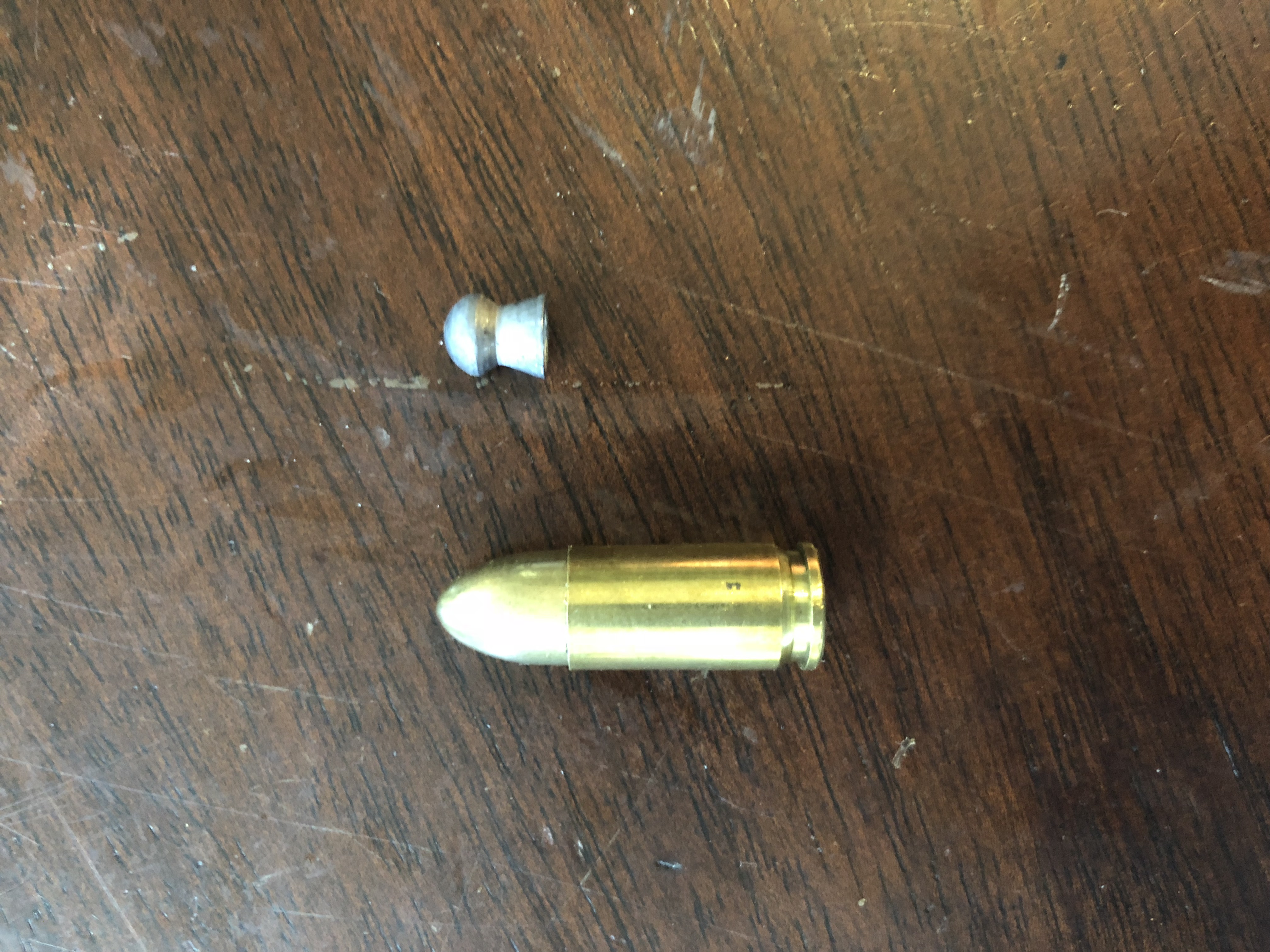
You’re at the counter, .338 Lapua Ammo for Sale box in hand, and the first thing to verify is the **9mm ammo load weight**. A 115-grain round feels snappy in a compact pistol, while 147-grain subsonic loads run smoother through a suppressor—mismatch that with your firearm’s recoil spring and you’ll get stovepipes. Next, check the bullet profile: flat-nose rounds feed reliably in Glocks, but hollow points can jam in tight ramps. Finally, look at the primer and case headstamp—reboxed surplus often shows corroded primers that hang-fire, while fresh brass with a clean crimp cycles every time. If you’re carrying for defense, test a few boxes at the range first; a **key performance factor** like consistent muzzle velocity only matters if it holds zero in your specific barrel. Don’t leave the store guessing—rack one round manually and feel the extraction resistance.
How Muzzle Velocity and Muzzle Energy Translate to Real-World Terminal Performance
Muzzle velocity and muzzle energy only matter insofar as they dictate how a 9mm bullet behaves upon impact. Higher velocity promotes earlier expansion and deeper temporary cavitation, yet real-world terminal performance hinges on the projectile’s ability to retain that energy through tissue. A 115-grain load at 1,200 fps may fragment violently, while a 147-grain subsonic round at 950 fps often penetrates deeper due to momentum conservation. Energy figures alone mislead—a flat-nosed FMJ with high energy can over-penetrate without transferring force, whereas a bonded JHP that expands reliably converts velocity into a larger permanent wound channel. Ultimately, test your chosen load in ballistic gel, not charts, because barrier interaction and bullet construction alter how velocity and energy translate into stopping power.

Reading the Box: What Do Casing Material, Primer Type, and Pressure Ratings Mean?
The box tells you everything you need to know before loading a magazine. Casing material—brass, nickel, steel, or aluminum—dictates reloadability and extraction reliability; brass is the smoothest, while steel is cheaper but harsher on extractors. The primer type (boxer vs. berdan) matters only if you reload—boxer is the standard for easy depriming. Pressure ratings, whether standard pressure or +P, directly affect velocity and felt recoil; +P means higher chamber pressure, so verify your pistol is rated for it. A quick checklist:
- Check casing for corrosion or dents.
- Confirm boxer primers for reloading.
- Match pressure rating to your firearm’s specs.
6.5x57mm Mauser Ammo for Sale
This read prevents jammed chambers and premature wear.The Importance of Consistent Velocity for Feeding Reliability in Semi-Automatic Pistols

For a semi-automatic pistol to cycle reliably, slide velocity must fall within a narrow functional window. Ammunition with consistent 9mm velocity ensures the slide has enough energy to strip the next round and fully compress the recoil spring, yet not so much that it outruns the magazine follower’s upward feed 6.8 SPC Ammo for Sale timing. Erratic velocity—whether from powder lot variations or inconsistent bullet seating depth—causes either weak ejection (stovepipes) or premature slide return, which slams the breechface into the next cartridge before it has fully risen. That misalignment produces nosedives and rim jams. A box with tight velocity standard deviation (SD under 15 fps) delivers predictable cyclic timing, allowing the feed ramp to guide each round cleanly into chamber.
Practical Tips for Storing, Handling, and Getting the Most Out of Your Rounds
Store 9mm ammo in a cool, dry environment—ideally below 75°F with under 50% relative humidity—to prevent primer corrosion and powder degradation. Keep rounds in their original factory boxes or a sealed ammo can with desiccant packets; avoid loose bulk storage that invites dents or rim damage. When handling, inspect each cartridge before loading: check for cracked cases, recessed primers, or bullet setback from repeated chambering. Rotate your carry ammunition every 6–12 months, shooting through the old stock at the range rather than discarding it, to ensure reliable feeding and consistent ballistics. For maximum accuracy and function, match bullet weight to your barrel twist rate—typically 115–124 grain works best in most 9mm pistols—and avoid mixing brands in a single magazine. Finally, cycle your stored rounds occasionally to prevent bullet pull from recoil vibration.
How to Properly Store Loose Ammo in Bulk Without Degrading Primer or Propellant
For bulk 9mm, skip factory boxes and use **airtight, sealed ammo cans** with desiccant packs to block humidity, the primary enemy of primers and powder. Keep the cans in a cool, stable environment below 75°F, as extreme heat accelerates propellant breakdown and degrades primer compound. Avoid storing loose rounds in soft bags or cardboard, which allow moisture intrusion and expose ammunition to temperature swings. Rotate your stock, using older rounds first, and never oil the rounds themselves—lubricants seep past the primer and bullet, killing ignition reliability. Check every few months for corrosion or powdery residue, and reseal immediately. Properly stored, bulk 9mm stays dependable for decades.
Store https://specialtysportsandsupplyltd.com/ bulk 9mm in airtight cans with desiccant, in a cool, stable place, rotating stock—moisture and heat degrade primer and propellant, so seal them out to preserve reliability.
Spotting Safe and Unsafe Loads: What to Check for Visible Damage or Setback
Before loading your 9mm, inspect each round for visible damage or setback. Check the case mouth for cracks, dents, or a bullet that sits deeper than the crimp line—setback occurs when the projectile is pushed into the casing, often from repeated chambering. Examine the primer for punctures, craters, or missing compound, and scan the case wall for corrosion, green patches, or splits. Discard any round with a loose bullet that twists easily. A slightly tarnished case may still fire, but any structural flaw compromises pressure integrity. Follow a quick sequence:
- Inspect the bullet seating depth against a known good round.
- Run a finger over the casing for dents or sharp edges.
- Verify the primer is flush or slightly recessed, not protruding.
If anything looks off, set it aside for safe disposal—never fire a compromised cartridge.
Mixing Different Brands in One Magazine: Is It a Problem During a Single Practice Session?
Mixing different brands in one magazine is rarely a functional problem during a single practice session, provided your 9mm pistol cycles reliably with each load. Variations in bullet weight, powder charge, and case length can shift point of impact slightly, but for drills focused on grip, trigger control, and reloads, these differences are negligible. **The real risk is masking a genuine malfunction**—if a round fails to feed, you won’t know if it’s the gun, the magazine, or that specific brand, wasting valuable diagnostic time. For pure repetitions, it’s safe; for accuracy work, stick to one lot.
Q: Is .32 ACP Ammo for Sale mixing brands in one magazine a problem during a single practice session?
A: Only if you’re zeroing or testing reliability—otherwise, no. The gun will likely cycle fine, but you lose the ability to isolate a failure source, so keep mixed mags for casual blasting, not serious evaluation. -
Why the 9mm Luger Is the Smartest All-Around Choice for Shooters
The Ultimate Guide to 9mm Ammo: Ballistics, Brands, and Buying Secrets
What makes 9mm ammo the most widely used handgun cartridge in the world? It is a rimless, centerfire pistol round with a 9x19mm case, typically firing a 115- to 124-grain bullet at velocities around 1,100 to 1,200 feet per second. Its design balances manageable recoil with adequate stopping power, making it effective for self-defense and target shooting alike. For reliable function, always use properly headstamped brass or factory-new ammunition matched to your firearm’s barrel length and chamber specifications.
Why the 9mm Luger Is the Smartest All-Around Choice for Shooters
The 9mm Luger isn’t just popular; it’s the pragmatic pinnacle of handgun cartridges, delivering the best all-around 9mm ammo performance for skill development and defensive readiness. Its manageable recoil allows for faster follow-up shots and tighter shot groups, making it ideal for both new shooters and seasoned pros. This cartridge offers an exceptional balance of magazine capacity, terminal ballistics, and shooter comfort, meaning you can train harder without flinching. Unlike snappier calibers, the 9mm’s gentle push keeps you on target, building muscle memory that translates directly to real-world accuracy. From compact carry pieces to full-size competition guns, the 9mm Luger functions flawlessly across platforms, solidifying its status as the smartest all-around choice for shooters who demand versatility without compromise.
- Start with standard-pressure 115-grain loads to master your grip and sight alignment before moving to hotter self-defense rounds.
- Invest in a mix of full metal jacket rounds for low-cost practice and high-quality jacketed hollow points for carry, maximizing your training budget.
- Use the 9mm’s flat trajectory to switch frequently between paper targets and steel plates, honing your transition speed and target acquisition.
- Test multiple bullet weights—124-grain is a sweet spot—to find the one that cycles smoothly and returns to zero fastest in your specific pistol.
Understanding Bullet Grain Weight: What 115, 124, and 147 Grain Actually Do for You
Bullet grain weight 6mm Creedmoor Ammo for Sale in 9mm dictates a trade-off between felt recoil, muzzle velocity, and penetration. A 115-grain load is the lightest, producing the snappiest recoil and highest velocity, which typically yields flat trajectory and reliable expansion in self-defense loads. A 124-grain bullet sits in the middle, offering a balanced blend of speed and momentum; it often feels slightly softer than 115-grain and provides deeper penetration, making it a popular choice for both target and duty use. The 147-grain is the heaviest subsonic option, delivering a slower, push-like recoil impulse. Because it stays below the speed of sound, it is ideal for suppressed shooting, and its higher mass drives deeper wound channels.
Your choice should hinge on how the recoil impulse feels to you and whether you need subsonic performance—not on a belief that heavier is inherently “harder-hitting.”
For most shooters, 124-grain offers the most versatile balance, while 115-grain suits rapid-fire courses and 147-grain excels for quiet, low-noise practice or defense in compact pistols.
Lightweight 115-Grain Rounds: Snappy Recoil and Flat Trajectory for Target Practice
For target practice, 115-grain 9mm rounds deliver a snappy recoil impulse that feels crisp and immediate, letting you track your sights back on target with deliberate timing. Their lighter mass accelerates faster down the barrel, producing a flatter trajectory at typical 10-to-25-yard ranges, which simplifies holdover adjustments and keeps your groups tight without constant elevation compensation. This combination of brisk kick and minimal bullet drop makes 115-grain loads ideal for honing trigger control and rapid follow-up shots, especially for shooters who prefer a more tactile, energetic feedback over a softer push.
115-grain rounds trade muzzle softness for a snappy, quick-cycle recoil and a flat flight path—making them a confident choice for precision-oriented, high-volume target practice.
Balanced 124-Grain Loads: The Sweet Spot for Self-Defense and Range Consistency
For most shooters, 124-grain 9mm loads deliver the ideal blend of recoil management and terminal performance, making them the practical choice for both defensive carry and routine practice. This weight splits the difference between snappy 115-grain rounds and sluggish 147-grain subsonics, cycling reliably in nearly every modern pistol while producing less muzzle flip than lighter options. On the range, 124-grain ammunition typically prints tighter groups because its moderate velocity—usually around 1,150 fps—encourages consistent sight tracking and faster follow-up shots. For self-defense, bonded jacketed hollow points in this weight expand dependably through clothing and gel while penetrating to FBI-standard depths. *The crossover utility means you can train with the exact same grain weight you carry, eliminating point-of-impact shifts between practice and protection loads.* Whether you are burning through boxes at the range or trusting your life to a magazine, 124-grain loads offer confidence without compromise.
Heavy 147-Grain Subsonic Rounds: Quieter Shots and Suppressor Performance
Heavy 147-grain rounds are the foundation of a genuinely quiet 9mm setup because their mass keeps velocity below the sound barrier, eliminating the crack that plagues lighter loads. Paired with a suppressor, these rounds deliver a mechanical «thwack» against the target, not the sharp report you hear with standard ammunition, making them ideal for range sessions where noise matters. The subsonic flight path also helps keep your point of impact consistent, since you avoid the disruptive turbulence that occurs at transonic speeds. For maximum quiet, lock the bolt and run these 147-grain subsonic rounds through a can, and you get a smooth, suppressed cycling action that is noticeably less disruptive to your shooting rhythm.
How to Pick Between Full Metal Jacket and Hollow Point for Different Jobs
For 9mm ammo, the job dictates the jacket. Choose full metal jacket (FMJ) for cheap, reliable training at the range, where barrier penetration and clean feeding matter more than wound effect. FMJ’s hardened lead core punches through drywall or auto glass predictably, making it a poor self-defense choice because it over-penetrates and zips through a threat without dumping energy. Switch to hollow points (HP) when the job is personal protection—their expanded mushroom creates a larger wound channel and stops inside a body, drastically reducing risk to bystanders. However, FMJ is the smarter pick for practice precisely because its lack of expansion forces you to master shot placement rather than rely on bullet magic. For hunting or carry, trust HP with proven expansion, but always verify they cycle in your specific 9mm pistol before relying on them for serious work.
FMJ Rounds: Why They’re Your Best Bet for Cheap Range Drills and Reliable Feeding
For 9mm range work, FMJ rounds deliver the lowest cost per trigger pull because their copper jacket and lead core are cheaper to manufacture than expanding hollow points. That price gap lets you fire hundreds of extra rounds 7.62 Tokarev Ammo for Sale per session, building muscle memory without burning through your defense budget. Practically, the full metal jacket’s smooth, uniform profile also feeds with fewer malfunctions in tight-tolerance pistols, as there’s no hollow cavity to snag on feed ramps or catch on extractor lips. This reliability is critical during high-volume drills, where a single failure interrupts your cadence. While FMJs lack terminal expansion, their predictable recoil and consistent seating depth make them the logical choice for pure practice, preserving your defensive hollow points for carry.
FMJ rounds are your most economical, feeding-dependable option for high-volume 9mm practice, ensuring uninterrupted drills at the lowest cost per round.
Jacketed Hollow Points: Expansion Mechanics That Stop Threats Faster
When you’re picking 9mm for self-defense, jacketed hollow points shine because their expansion mechanics are all about dumping energy fast. The hollow nose creates hydraulic pressure on impact, forcing the lead core to peel back into a wider mushroom shape. That wider frontal area increases drag through tissue, which slows the bullet down quicker and transfers more stopping power. Unlike FMJ’s punch-through, JHP expansion reduces over-penetration risk, keeping your shots effective on target. The trick is choosing a load that reliably expands at 9mm velocities—typically 1,000+ fps—so it doesn’t plug up with thick clothing. Reliable JHP expansion mechanics turn a narrow bullet into a wide, threat-stopping disc.

Jacketed hollow points stop threats faster by expanding on impact, creating a larger wound channel and 6mm ARC Ammo for Sale dumping energy efficiently.
When to Use Frangible or Flat-Nose Variants for Steel Targets and Tube Magazines
For steel targets, switch to frangible 9mm loads to prevent ricochets and lead splatter, as they disintegrate on impact and preserve the plate’s surface. For tube-magazine pistols like lever-action carbines, choose flat-nose variants to avoid primer strikes on the round ahead, which can cause chain detonation. Frangible ammo is also ideal for close-range training on steel, where full metal jacket risks fragmenting back at you. Flat-nose rounds, meanwhile, feed reliably from tubular magazines and deliver clean, controlled expansion without the pointed profile that invites hang-ups. Never use hollow points in a tube magazine—their open tips catch.
- Use frangible for steel targets at 10–25 yards to minimize splashback.
- Use flat-nose for tube-fed 9mm carbines to prevent accidental primer ignition.
- Avoid FMJ on steel—it can crater the plate and bounce back.
- Match flat-nose with lead-safe powder to reduce fouling in magazine tubes.
Matching the Right Ammo to Your Pistol’s Barrel Twist and Action Type
Does barrel twist matter for 9mm ammo selection? Yes, though less than with rifle calibers. Most 9mm pistols use a 1:10 to 1:16 twist rate, which stabilizes standard 115–147 grain bullets well. Heavier subsonic loads (158 grain) may keyhole in a 1:16 barrel, while fast-twist 1:7 barrels can overstabilize light 65–90 grain frangible rounds, causing erratic yaw. Matching bullet weight to twist rate ensures consistent spin and accuracy. Action type compatibility is equally critical: blowback actions (e.g., many compact 9mms) prefer standard-pressure, round-nose FMJ for reliable feeding and slide cycling. Locked-breech pistols handle +P ammo, but repeated high-pressure loads can batter the locking lugs. Recoil-operated pistols with a tilting barrel demand ammo whose ogive fits the feed ramp—flat-nose defensive rounds often need a proven profile. Always test your chosen 9mm load across 50 rounds for function: check for premature slide lock, stovepipes, or ejector wear. While twist rarely limits 9mm, action-specific pressure and feeding characteristics trump all other factors for reliable performance.
Concealed Carry vs. Home Defense: How to Load Your Firearm Differently
For concealed carry, your 9mm magazine should prioritize defensive hollow points like Federal HST or Speer Gold Dot in standard pressure, as over-penetration risk is higher in public settings. Load one round in the chamber and use a magazine with a +1 or +2 baseplate for maximum capacity while maintaining a compact grip. For home defense, your 9mm loading strategy shifts toward barrier penetration and recoil management. Use a heavier grain (147gr) hollow point, or consider a full-metal-jacket load for interior walls if you live in an apartment. Never use frangible ammo for home defense because drywall and studs can cause it to fragment unpredictably, reducing terminal effect. Keep a full-size magazine (17+ rounds) with a light-bearing holster, and avoid +P loads if your handgun is compact—the extra velocity increases muzzle flip and follow-up shot time indoors. Ultimately, your carry load favors expansion at close range, while your home load favors controlled penetration through obstacles.
Optimizing Magazines for Personal Defense: Avoiding Over-Penetration Risks
For personal defense loads, prioritize expanding projectiles over penetration depth. In a magazine, stagger **defensive hollow points** with one or two barrier-blind rounds, such as fixed-penetrator tips, to address threats behind cover. This mix reduces over-penetration risk through drywall while retaining authority against heavy clothing. Avoid full metal jacket loads entirely; their deep penetration endangers bystanders and household members. Instead, select 124-grain jacketed hollow points with verified 12–16 inches of gel penetration. Place the barrier-blind round last in the magazine, ensuring the first shots remain low-penetration if engagement occurs in tight spaces.
Testing Recoil Springs and Follow-Up Shot Speed With Defensive Loads
When evaluating defensive 9mm loads, you must test your recoil spring’s response to ensure the slide cycles fast enough for rapid follow-up shots. Heavier defensive ammunition, like 147-grain JHPs, generates different slide velocities than standard 115-grain ball, often requiring a stiffer spring to prevent premature unlocking. Conversely, a spring that’s too heavy will short-stroke with lighter loads, causing malfunctions during critical drills. Fire multiple magazines of your chosen carry ammo, measuring your split times and observing the brass ejection pattern—a consistent 3-to-4-foot trajectory indicates proper spring tension. If your sights track flat and the muzzle returns quickly, your setup is optimized for fast double-taps. Always test with the exact recoil spring you carry, as wear changes performance over time.
Testing your recoil spring with defensive 9mm loads is non-negotiable—it dictates slide speed, reliability, and your ability to land rapid follow-up shots under stress.
Why You Should Cycle a Box of Your Carry Ammo Every Few Months
Carry ammo lives in a harsh environment—body heat, sweat, and constant chambering cycles all degrade its reliability. Rotating your 9mm carry ammunition every few months ensures the primer compounds and propellants remain fresh, preventing misfires or hangfires during a defensive draw. Older rounds also suffer from bullet setback after repeated rechambering, which spikes pressure to dangerous levels. A practical sequence keeps you safe: first, fully unload your magazine and inspect each cartridge for dents or corrosion; second, shoot that old box at the range to validate feed reliability and re-zero your point of aim; third, reload with a fresh box and clearly mark its rotation date. This habit turns your carry gun into a predictable tool, not a gamble.
Storage and Shelf Life: How to Keep Your 9mm Rounds Reliable for Years
You pulled that dusty range bag from the garage shelf—the one you packed three summers ago—and the 9mm boxes inside felt cool, not clammy. That’s the secret: your rounds survive on consistency, not luck. Keep them in a sealed ammo can with desiccant packs, at a steady 60–70°F, and away from concrete floors that wick moisture. Inspect monthly for verdigris on brass or dimpled primers; if the bullet noses show dark rings, humidity won. Your best defense is rotating stock—shoot the oldest first, and you’ll never lose a round to age. Q: Can factory 9mm last a decade? A: Yes, if the storage space stays dry and temperature swings stay small—ammo degrades from change, not time. Stack the cans off the floor, label the date, and trust the seal.
Proper Ammo Can and Desiccant Setup to Prevent Corrosion
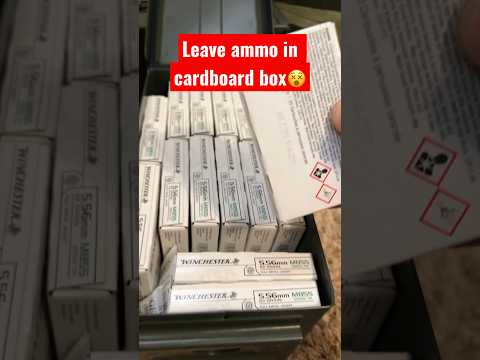
To prevent corrosion, start with a sealed military-style ammo can, as its rubber gasket blocks humid air. Before sealing, add silica gel desiccant packs—roughly two to four ounces per fifty-round box—to absorb residual moisture inside. For maximum effectiveness, place the desiccant above the ammo, as moisture settles downward, and avoid overpacking the can so air can circulate around the cartridges. Crucially, ensure the brass casings and primers are dry before storage; any fingerprints or water residue will accelerate oxidation. This active moisture-control system works only if you periodically inspect the desiccant, which should be recharged or replaced when its indicator changes color. Store the sealed can in a cool, stable environment to further minimize humidity cycling.
Reading Headstamps and Lot Numbers to Track Aging or Mixed Batches
Reading the headstamp and lot number on 9mm boxes is your primary tool for identifying batch consistency, since the headstamp reveals manufacturer and year while the lot number pinpoints the exact production run. To track aging, note that cartridges from bulk ammo for sale the same lot share identical propellant and primer chemistry, so degradation patterns (like corrosion or velocity drops) will appear uniformly. For mixed batches, always segregate by lot: first, record the headstamp and lot from every box; second, arrange stock oldest-to-newest using the date code; third, test-fire a few rounds from each lot to compare primer strike sensitivity and extractor behavior. This prevents unpredictable pressure spikes or misfires when combining old and new stock. Use batch segregation to isolate any lot showing reduced reliability, avoiding contamination of your viable reserve.
Signs of Bad Ammo—Dents, Loose Bullets, or Discolored Casings—and When to Toss It
When you’re sorting through your 9mm stash, signs of bad ammo are usually easy to spot if you look closely. A dented casing—especially near the rim or case mouth—can cause feeding hiccups or even a failure to extract, so toss it. If the bullet wiggles or spins freely in the case, that’s a pressure risk and a clear no-go. Discoloration like green spots on brass or a dark, powdery film on nickel cases often means corrosion is forming, which weakens the case over time. When in doubt? Pitch it. It’s not worth a jammed gun or a squib load just to save a few cents. Rule of thumb: if it doesn’t look uniform and solid, it goes in the “range scrap” pile.
- Dents near the rim or mouth = immediate discard.
- Loose bullet (hand-twist test) = never chamber it.
- Green or black discoloration = corrosion, not worth the gamble.
- Split or cracked case mouth = dangerous, toss immediately.
Misfires, Jams, and Failures: Quick Fixes When Shooting Various 9mm Loads
When a 9mm round fails to ignite, keep the muzzle downrange for thirty seconds before clearing, as hangfires are rare but real with certain primers. For a hard primer in cheap ammo, a second strike often fires it, so don’t immediately rack the slide. A failure to eject frequently stems from a weak grip or a light recoil spring, not the load itself; tighten your hold and ensure the spring matches your ammunition’s power factor. If a truncated-cone or flat-nose 9mm load jams on the feed ramp, polish the feed ramp and .223 Ammo for Sale test with a full magazine to verify the nose isn’t catching. Over-pressured +P loads can cause the slide to outrun the mag, so switch to standard pressure for drills. Sometimes the quickest fix is accepting that a particular bullet profile simply hates your barrel’s throat geometry. For squib loads, stop immediately and check the bore before any further trigger work.
Light Strikes: Solutions for Hard Primers in Budget or Surplus Rounds
When budget or surplus 9mm ammo leaves hard primers, your firing pin often lacks the kinetic energy to ignite them, causing a frustrating light strike. Instead of clearing the round, re-strike the same primer for a reliable second attempt. First, keep the muzzle pointed downrange and .260 Remington Ammo for Sale pull the trigger again; many hard primers will ignite on a second, more forceful strike. If it still fails, manually cock the hammer or re-rack the slide to fully reset the spring, ensuring maximum pin force. Finally, if the round remains dead, eject it and inspect the primer dimple—a shallow mark indicates you need a heavier hammer spring or a stronger striker, which is the real fix for consistent ignition in corrosive or military surplus loads.
Failure to Feed: How to Identify Feed Ramp Issues Caused by Bullet Shape
When a 9mm round fails to fully chamber, the culprit is often the bullet’s ogive—its curved transition from the case mouth to the tip—colliding with the feed ramp’s top edge. Flat-nosed or hollow-point loads with a steep shoulder are especially prone to this, catching on the ramp instead of gliding upward. To identify this, cycle a dummy round slowly by hand and watch where the projectile first contacts the ramp; a visible drag mark or a stoppage with the slide slightly out of battery confirms the issue. Switching to a round with a smoother, more gradual ogive—such as a round-nose full metal jacket—often resolves the problem without any pistol modification. Bullet shape compatibility with the feed ramp is the primary variable here, not magazine spring tension or extractor grip. If polishing the ramp voids your warranty or feels too invasive, first test several brands; some 9mm loads are deliberately profiled for reliable feeding in tighter chambers.

- Check for a bright rub mark on the bullet’s upper curve after a misfeed.
- Compare a failing hollow point against a round-nose FMJ in the same magazine.
- Measure your barrel’s feed ramp angle—shallower angles reject blunt-nose bullets more often.
Blowback vs. Locked-Breech Pistols: Why Some Loads Won’t Cycle His Pistol
Blowback and locked-breech pistols handle 9mm pressure curves very differently, which explains why some loads won’t cycle his pistol. A straight-blowback design relies on slide mass and recoil spring tension to delay unlocking, so it typically requires hotter, higher-pressure loads to overcome that resistance. Soft “target” loads or reduced-recoil 9mm rounds often lack the energy to fully cycle the slide, causing stovepipes or failure to eject. Conversely, a locked-breech pistol uses a tilting barrel and camming .243 Ammo for Sale action, which allows it to function reliably with a wider range of power levels, including lighter loads. If his pistol jams only with mild ammunition, blowback versus locked-breech operating systems are the likely culprit, not the gun itself.
- Check the recoil spring weight: heavier springs in blowback pistols may need +P or full-power 9mm loads.
- For locked-breech pistols, weak loads usually cycle fine; if not, inspect the extractor or ejector for wear.
- Test a box of standard-pressure FMJ to confirm whether the issue is load-specific or mechanical.
How to Gauge Muzzle Velocity Differences Without a Chronograph
Without a chronograph, you can still rank 9mm loads by feel and impact. First, shoot at a steel plate or heavy gong at 25 yards; a noticeably sharper “clang” and faster target swing suggest higher retained energy, which tracks with muzzle velocity. Next, watch your point of impact—hotter 9mm loads often print higher at 15 yards due to less barrel time and 9x23mm Winchester Ammo for Sale muzzle rise. Pay attention to felt recoil impulse: a snappy, abrupt push indicates a fast-burning, high-velocity load, while a slow, rolling shove points to a weaker charge. Finally, test muzzle velocity differences without a chronograph by firing at wet clay or packed dirt from a fixed rest; deeper, more fragmented craters mean more speed. For reliable 9mm velocity comparison, keep all variables constant—same gun, same grip, same sight picture.
- Use a steel target and listen for pitch—higher pitch equals faster impact.
- Compare bullet splash on soft backstops; wider spray suggests higher velocity.
- Track recoil timing: quick snap beats slow push for speed.
- Shoot from a rest to isolate velocity from shooter error.
- Test at least five rounds per load to average out inconsistencies.
Pressure spikes can mimic high velocity but risk overpressure signs—check for .22-250 Ammo for Sale flattened primers or stiff extraction.
Buying Bulk 9mm: How to Split Orders Between Practice and Defensive Rounds
When buying bulk 9mm, split your order roughly 70% to 80% for practice rounds and 20% to 30% for defensive loads. Practice 9mm—typically full metal jacket (FMJ)—is cheaper and built for volume, so prioritize it for range drills and manual-of-arms repetition. Defensive rounds, like jacketed hollow points (JHP), cost more and serve a different purpose: they must feed reliably and expand consistently, so reserve them for function-checking your specific pistol and for short, high-focus live-fire sessions that simulate stress. Never burn through defensive ammo in high-round-count practice; instead, rotate a few magazines of JHP through your gun monthly to verify zero and cycling. Track your round count per range trip, then order bulk cases accordingly, but keep your defensive stockpile separate and clearly labeled.
Your bulk 9mm order should mirror your shooting habits—volume for reps, fidelity for survival.
This segregation also simplifies inventory: you always know how much defensive ammo is on hand without accidentally depleting it during casual practice.
Calculating Cost Per Round and What a Realistic Bulk Stash Should Look Like
To calculate cost per round, divide the total box price by the number of rounds—for example, $280 for 500 rounds equals $0.56 per round. Always compare this figure across brands and case quantities, as shipping and taxes can add $0.02–$0.05 per round if not factored in. A realistic bulk stash should be split by use: roughly 70–80% practice and 20–30% defensive. For a practical starting point, build a 1,000-round stash: that means 700–800 practice rounds and 200–300 hollow points, not a uniform mix. Prioritize your defensive stock first, then fill the remainder with the cheapest reliable practice ammo. Follow this sequence once you set a budget:
- Decide your total round count (e.g., 1,000 or 2,000) based on monthly range visits.
- Allocate the defensive percentage and buy those boxes first.
- Calculate the per-round cost of practice ammo in bulk to hit your target spend.
This approach keeps your cost per round low while ensuring your stash isn’t skewed toward unusable inventory.
Why You Shouldn’t Mix Brands in the Same Magazine or Training Session
Mixing brands in a single magazine or training session introduces inconsistent recoil impulse and slide timing, which degrades your ability to track sights and build muscle memory. Each manufacturer’s 9mm load varies in bullet weight, powder charge, and case dimensions, so a hot round followed by a weak one causes unpredictable ejection patterns and potential feed failures. If a defensive carry magazine contains mixed brands, you cannot predict which round is chambered, compromising reliability when it matters most. During training, constant brand switching masks true accuracy and prevents diagnosing malfunctions, as you never isolate whether failures stem from the gun, the round, or your grip. Standardize one brand per magazine and per session to establish consistent baseline performance.
Never mix 9mm brands in the same magazine or training session—inconsistent pressure and geometry 7.5×55 Swiss Ammo for Sale ruin reliability, accuracy, and skill development.
