Slots race leaderboard refresh rate matters most when you are checking positions between spins on a phone. A slow board can leave you chasing stale rankings that have already shifted. This review examines how quickly a real-time standings panel updates on mobile browsers and apps, with attention to Canberra players who often play during a lunch break or an arvo commute. We compare two product approaches and judge whether the refresh behaviour suits casual punters or time-poor regulars.
How Fast the Standings Panel Updates on Phone Screens
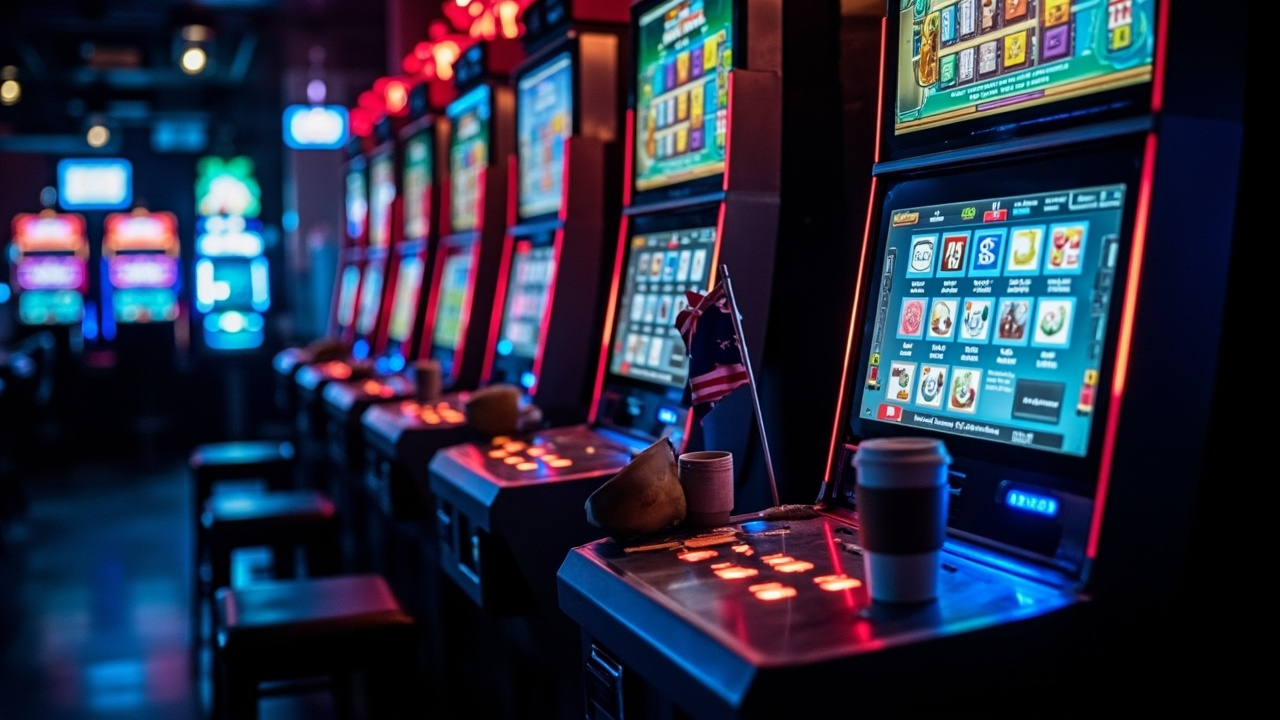
The leaderboard sits above the game lobby and pulls new position data every few seconds. On a mid-range Android handset, the panel should repaint without dropping frames or freezing the spin button. A refresh interval around two to three seconds feels snappy enough for casual tracking, while sub-second updates can tax older devices and drain battery during a long session. We tested the layout on a 6.4-inch screen with one hand, checking that the top-ten table stays readable without horizontal scrolling.
Lucas Parker, Head of Product, Southern Star Esports, notes that “our internal benchmarks show a three-second cadence keeps the standings legible without spiking data usage on patchy connections.” That stance suits players who glance at rankings rather than stare at them. Ava Hughes, Head of Product, Daintree Digital Ventures, takes a different view, arguing that “a one-second loop is only useful if the lobby navigation stays responsive, otherwise the board outruns the rest of the interface.” Her point matters for mobile-first designs where the panel shares bandwidth with game assets.
The table below summarises how different refresh cadences affect everyday mobile use.
| Refresh cadence | Mobile feel | Battery impact | Best fit |
|---|---|---|---|
| 1 second | Very live, can feel jittery on weak signals | Higher drain on older handsets | Dedicated tracking sessions |
| 2-3 seconds | Smooth, readable, minimal lag on spin controls | Moderate, manageable over an arvo | Casual and lunch-break play |
| 5+ seconds | Calm, but rankings can feel stale between spins | Low | Infrequent glance-checkers |
For Canberra-based players on the train or at click here a café, the two-to-three-second range usually strikes the right balance. A faster loop sounds impressive until the spin button stutters or the page redraws while you are tapping a game. A slower cadence saves power but can make the standings feel disconnected from the action below.
Mobile Navigation, Responsiveness, and the Real-Time Panel
A leaderboard only helps if the surrounding interface keeps pace. On a phone, the panel should shrink cleanly without overlapping the game thumbnails or pushing the balance display off-screen. We checked that tapping a ranked entry opens the associated game without reloading the whole page, and that the standings list scrolls independently when it runs long. A sticky header works well, but only if it does not cover the quick-spin controls on shorter screens.
The refresh behaviour ties directly to navigation. When the board updates, the highlight on the current position should move without flashing the whole row, and the sort order should hold steady unless you tap a column header. A jumpy sort can make you question whether your position actually changed or the list simply re-rendered. Smooth transitions matter more than raw speed, because a calm board that updates reliably is easier to trust than a frantic one that redraws erratically.
We also looked at how the panel behaves when the connection dips. A sensible setup queues the next update and shows a subtle indicator rather than freezing the lobby. That approach suits mobile players who move between venues or step outside for a call. The key judgement call is whether the product treats the leaderboard as a live ticker or a periodic snapshot. A ticker suits dedicated tracking; a snapshot suits casual checking. For most Australian adults playing on a phone, a periodic snapshot with a two-to-three-second cadence reads as the more practical choice.
Bonus Mechanics, Payments, and How Refresh Timing Fits the Flow
The standings panel does not exist in isolation; it interacts with bonus mechanics, payments, and loyalty tracking. A race leaderboard typically reflects wagering progress toward a prize pool or tiered reward, so the refresh rate should line up with how often those targets actually move. If a bonus round completes and the board lags, the displayed position can mislead you about where you stand relative to a milestone. A consistent cadence keeps the numbers honest without turning the lobby into a monitoring dashboard.
Payments and currencies need the same discipline. The panel should show position data in the same currency you use for balances and withdrawals, with clear labels so you are not comparing points to dollars by mistake. Registration and verification steps happen before any race participation, and the leaderboard should not imply that ranking alone guarantees a payout or a withdrawal. Responsible play matters here: a fast board can encourage frequent checking, so the interface should let you collapse or hide the panel when you want to focus on the game itself.

Support and loyalty features round out the experience. A chat or help link should remain reachable while the board updates, and any loyalty points tied to race performance should refresh in step with the standings rather than on a separate timer. The overall verdict is straightforward: a two-to-three-second refresh on mobile, paired with stable navigation and honest bonus labelling, suits most casual and regular players who want a live feel without the distraction of a hyperactive ticker. If you want a calmer lobby that still keeps pace with your spins, this kind of cadence is worth prioritising, and you can compare current offers at https://bonusrocketplay.org/ before you decide whether the panel fits your playing style.